

Kratom: Research on Benefits vs. Risks (Part 1 of 2)

- Beneficial Effects Reported in Studies
- Negative Effects and Risks Reported in Studies
- Curious About Kratom? Keep Reading to Discover Its Benefits and Risks!
Kratom (Mitragyna speciosa) has gained attention for both its potential benefits and its risks. Researchers have explored kratom’s effects through animal studies, user surveys, case reports, and a few clinical trials.
Overall, evidence is mixed: some studies and reports highlight beneficial effects (e.g. discomfort relief, mood improvement, help with opioid withdrawal), while others emphasize negative effects and safety risks (side effects, dependence, toxicity).
Below is a summary of findings in each category, along with a comparison of the number of studies supporting beneficial versus adverse outcomes.

Beneficial Effects Reported in Studies
✅ Discomfort Management
Kratom’s opioid-like alkaloids (mitragynine and 7-OH-mitragynine) have demonstrated analgesic properties. In animal studies, kratom extracts consistently reduced discomfort responses, supporting its traditional use as a discomfort reliever (pmc.ncbi.nlm.nih.gov).
Human research is limited but promising: at least two small clinical studies reported reduced discomfort sensitivity or increased discomfort tolerance after kratom dosing (pmc.ncbi.nlm.nih.gov) (pmc.ncbi.nlm.nih.gov).
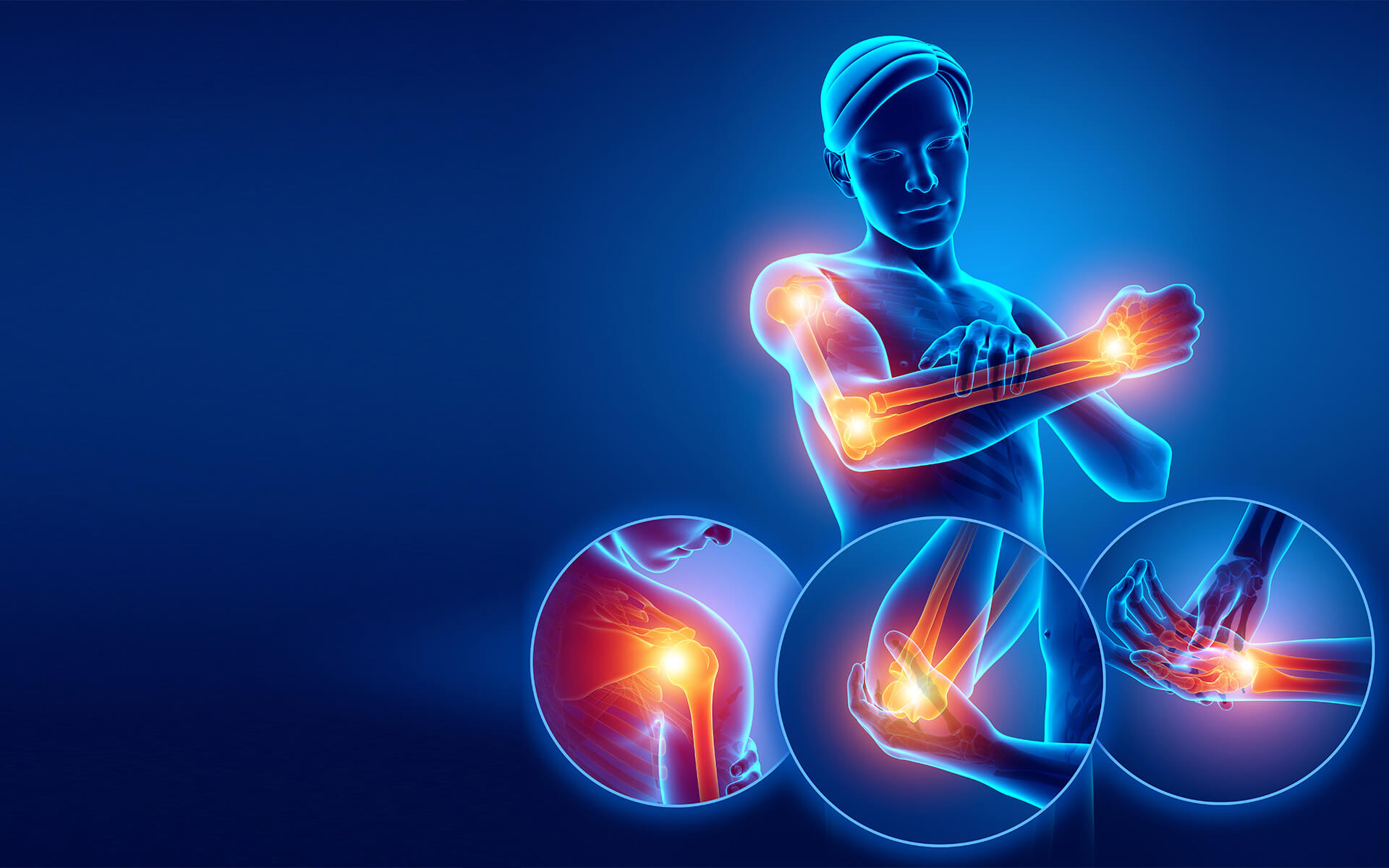

For example, a double-blind trial in 26 adults found a significant increase in discomfort tolerance (cold pressor test) about an hour after consuming a kratom drink. Large surveys of users show that discomfort relief is a primary motive for use – nearly half of 2,867 U.S. kratom users surveyed cited discomfort management as their top reason, and over 90% of them reported that kratom was “very” effective for relieving discomfort (pmc.ncbi.nlm.nih.gov).
This anecdotal evidence aligns with the clinical and preclinical findings that kratom can act as an effective analgesic.
Kratom for Discomfort Relief – Get Yours Today at Kures.com!
-
5ct
 Buy 1 Get 9Buy 1 Get 9
 Buy 1 Get 9


- Calm Spirit
- Relaxed Body
Press’D Extra Strength 7OH Kratom Extract Tablets White Grape 200mg – 5ct (40mg/tab)
$22.00
1.1¢/mgBuy 1 Get 9 Free $2.20 each
-
10ct
Buy 1 Get 11Buy 1 Get 11
 Buy 1 Get 11
- Calm Spirit
- Focus & Productivity
Press’D 7OH Kratom Extract Tablets 180mg – 10ct (18mg/tab)
$23.76
1.1¢/mgBuy 1 Get 11 Free $1.98 each
-


- Discomfort Relief
- Calm Spirit
OPMS Gold Liquid Kratom Extract Shot – 8.8ml
Low as $10.08
-


- Calm Spirit
- Relaxed Body
MIT45 Gold Liquid Kratom Extract Shot – 15ml
$10.05
-
5ct

- Discomfort Relief
- Relaxed Body
OPMS Gold Botanical Extract Capsules – 5ct
Low as $25.04
🧠 Mental Health and Mood
Many users report improved mood and reduced anxiety with kratom. A comprehensive review of studies on kratom and mental health noted that kratom often enhances mood and relieves anxiety for users (pubmed.ncbi.nlm.nih.gov). These anxiolytic and antidepressant-like effects are likely linked to kratom’s alkaloids interacting with opioid and adrenergic receptors. In traditional usage and recent surveys, people have self-medicated with kratom to alleviate symptoms of depression, PTSD, and other mood disorders.


Notably, most current studies do not find serious psychiatric side effects at moderate doses, and any negative mental health effects (such as irritability or cravings upon stopping) appear relatively mild compared to stronger opioids (pubmed.ncbi.nlm.nih.gov). However, rigorous clinical trials in this area are lacking, so the extent of kratom’s benefit for mental health needs further confirmation.
Kratom for Enhanced Mood and Mental Health – Order Now at Kures.com!


🚫💊 Addiction Treatment (Opioid Withdrawal)

Perhaps the most well-documented benefit is kratom’s role as a harm-reduction tool for opioid dependence. Many individuals use kratom to ease opioid withdrawal symptoms or to replace prescription opioids, reporting success anecdotally (pubmed.ncbi.nlm.nih.gov). In fact, a systematic review on mental health found kratom shows “potential as a substitute for opioids among people who are addicted” (pubmed.ncbi.nlm.nih.gov).
Preclinical research supports this: multiple animal studies (over a dozen) have shown that kratom alkaloids can reduce morphine or heroin withdrawal signs and even decrease drug-seeking behavior (pmc.ncbi.nlm.nih.gov).
For example, mitragynine has been shown to lessen morphine withdrawal and dependence in rodent models, with effects comparable to low-dose methadone or buprenorphine pmc.ncbi.nlm.nih.gov. Some case reports also detail individuals successfully tapering off opioids by using kratom.
While controlled clinical trials are scarce, the existing evidence suggests kratom may help in opioid addiction treatment by providing mild opioid-like effects that curb withdrawal without the same level of respiratory depression or overdose risk as traditional opioids.
Kratom for Lessening Opioid Withdrawal – Grab Yours Now!
-
5ct
Buy 1 Get 9Buy 1 Get 9Buy 1 Get 9
- Calm Spirit
- Relaxed Body
Press’D Extra Strength 7OH Kratom Extract Tablets White Grape 200mg – 5ct (40mg/tab)
$22.00
1.1¢/mgBuy 1 Get 9 Free $2.20 each
-
10ct
Buy 1 Get 11Buy 1 Get 11Buy 1 Get 11
- Calm Spirit
- Focus & Productivity
Press’D 7OH Kratom Extract Tablets 180mg – 10ct (18mg/tab)
$23.76
1.1¢/mgBuy 1 Get 11 Free $1.98 each
-
5ct

- Discomfort Relief
- Relaxed Body
OPMS Black Botanical Kratom Extract Capsules – 5ct
Low as $25.16
📌 Key Point:
Dozens of preclinical studies and user surveys support kratom’s beneficial effects – particularly for discomfort relief, anxiety/mood improvement, and opioid withdrawal relief. However, only a couple of formal clinical trials have tested these benefits in humans, so most positive evidence comes from animal models or self-reports (pmc.ncbi.nlm.nih.gov) (pubmed.ncbi.nlm.nih.gov).
Negative Effects and Risks Reported in Studies

⚠️ Side Effects and Acute Toxicity
Kratom can cause a range of dose-dependent side effects. Common mild effects include , vomiting, dry mouth, constipation, loss of appetite (weight loss), and mild sedation. At higher doses, or in sensitive individuals, kratom affects the nervous system and mental state – users may experience dizziness, drowsiness, tremors, or confusion (mayoclinic.org).
There are also reports of hallucinations or delusional thinking in some cases of very high intake. Serious adverse events have been documented, though they appear relatively rare. Poison control centers in the U.S. received over 3,400 reports related to kratom between 2014 and 2019, including reports of high blood pressure, seizures, and a few deaths (mayoclinic.org).


Notably, kratom has been linked to liver injury in a small number of cases – published case reports describe acute liver toxicity (cholestatic hepatitis) temporally associated with heavy kratom use. Some individuals have also presented with seizures, coma, or other neurological complications after using kratom, especially when combined with other substances (pmc.ncbi.nlm.nih.gov).
While these severe outcomes are not the norm, they underscore that kratom is a biologically active substance with real risks. Importantly, nearly all fatal cases involving kratom also involved other drugs (such as opioids or benzodiazepines) or adulterated products (mayoclinic.org).
In fact, a CDC analysis of 152 kratom-involved deaths found that in the vast majority of cases a co-intoxicant (another drug) was present (pmc.ncbi.nlm.nih.gov). This makes it hard to pinpoint kratom as the sole cause of severe toxicity, but it also highlights the danger of mixing kratom with other depressants.
🔄 Dependence and Withdrawal
Kratom itself can be habit-forming. Regular users may develop tolerance and dependence due to the opioid-like activity of its alkaloids. Studies have documented that a subset of kratom users (approximately 10–17%) develop moderate to severe kratom use disorders (pmc.ncbi.nlm.nih.gov).
In a large survey of 2,798 kratom consumers, about 2.4% met criteria for a moderate or severe kratom use disorder in the past year (pmc.ncbi.nlm.nih.gov). When dependent users stop taking kratom abruptly, they often experience withdrawal symptoms. Kratom withdrawal can involve irritability, anxiety, insomnia, muscle aches, runny nose, and agitation – broadly similar to a mild opioid withdrawal.


For most people these symptoms are relatively mild compared to classic opioids (pubmed.ncbi.nlm.nih.gov), but some long-term heavy users report difficult withdrawal experiences that make abstinence challenging (pubmed.ncbi.nlm.nih.gov). Case reports have shown that individuals consuming very high daily doses for extended periods can develop significant withdrawal syndromes (e.g. notable fatigue, dysphoria, and cravings).
Thus, while kratom may help treat opioid addiction, it also carries its own addiction risk, especially if used in large amounts or for a long duration (mayoclinic.org) (mayoclinic.org). Clinicians have noted cases of patients needing treatment for kratom dependence and withdrawal, though such cases appear infrequently compared to prescription opioid or heroin cases.
⏳ Long-Term Health Effects and Safety Concerns
There is limited systematic research on kratom’s long-term health impacts, but some observational studies and reports raise concerns.
Chronic kratom use (daily or high-dose use over years) has been associated with certain physiological changes. For example, an observational study of regular users in Malaysia noted elevated cholesterol levels in long-term users (pmc.ncbi.nlm.nih.gov).
Another study reported impairments in cognition (specifically in learning and memory) among heavy chronic users (pmc.ncbi.nlm.nih.gov). However, these studies are correlational and often involve small samples, so it’s unclear if kratom directly caused these issues.
Other long-term risks discussed in case literature include kidney injury (from dehydration or muscle breakdown in overdose), hormonal changes, and appetite suppression leading to weight loss.
Overall safety remains a debated issue.


On one hand, surveys indicate that the majority of users do not experience serious adverse effects – in one U.S. survey, about 68% of past-year users reported no negative health effects from kratom (pmc.ncbi.nlm.nih.gov).
On the other hand, public health data show increasing reports of kratom-related problems as usage grows. For instance, calls to U.S. poison control centers regarding kratom rose 10-fold from 2010 to 2015 (pmc.ncbi.nlm.nih.gov).
Regulators and medical experts have also expressed concern because kratom products are unregulated dietary supplements: the purity and alkaloid content can vary widely (mayoclinic.org).
Some samples have been found spiked with stronger opioids or contaminants (mayoclinic.org), compounding the risk of adverse events. In summary, while kratom is not as dangerous as classical opioids in many respects (e.g. respiratory depression is milder), it is not without risks. Users can develop dependence, and a minority experience significant side effects or health issues, especially at high doses or in combination with other substances.
📝 Key Point:
Numerous studies and reports detail kratom’s risks. Adverse effects range from mild (e.g. nausea, constipation) to serious (seizures, liver damage), and about 1 in 5 users report some negative effect (pmc.ncbi.nlm.nih.gov) (mayoclinic.org).
A small fraction develop addiction to kratom itself, and abrupt cessation can trigger withdrawal. Severe outcomes (like death or organ failure) are very rare and usually involve other substances (mayoclinic.org), but they have been documented.
Curious About Kratom? Keep Reading to Discover Its Benefits and Risks!
Curious about Kratom’s effects? You’re in the right place! In this section, you’ll learn about the latest research—both the benefits and the potential risks. With around 18 human studies on Kratom, the results are mixed. Some say it’s a natural way to manage discomfort and boost energy, while others caution against possible side effects. Let’s dive into the key findings so you can get a clearer picture of what Kratom really does.
Sources:
- Prevete et al., Frontiers in Pharmacology (2022) – Systematic review of kratom’s therapeutic potential and safety pmc.ncbi.nlm.nih.gov pmc.ncbi.nlm.nih.gov.
- Swogger & Walsh, Drug Alcohol Depend. (2018) – Systematic review on kratom and mental health (mood, anxiety, withdrawal) pubmed.ncbi.nlm.nih.gov.
- Strickland et al., Journal of Addiction Medicine (2022) – Survey of 2,798 U.S. kratom users: motives, benefits (discomfort relief), and prevalence of adverse effects pmc.ncbi.nlm.nih.gov pmc.ncbi.nlm.nih.gov.
- Vicknasingam et al., Journal of Discomfort Research (2020) – First randomized trial of kratom: increased discomfort tolerance with no serious adverse effects pmc.ncbi.nlm.nih.gov pmc.ncbi.nlm.nih.gov.
- Mayo Clinic (2023) – “Kratom: Unsafe and ineffective” – Summary of known side effects, poison control reports, and safety warnings mayoclinic.org mayoclinic.org.

Before You Submit Your Comment
- Share your serving amount (X mg) and how many times per day.
- Explain why the 1 mg threshold would negatively affect you.
Continue to Comment Form