

SHOCKING REVEAL: Your Shop’s Dirty Secrets Exposed – How Local Stores Are Overcharging You!

Have you ever left a store wondering why your total bill was way higher than expected? You’re not alone. Many local stores use sneaky tricks to squeeze extra money out of you without you even realizing it. From hidden markups to misleading discounts, the shocking reveal is this—you’re being overcharged in ways you never imagined.
Today, I’m exposing some of the shop’s dirty secrets that retailers don’t want you to know. By the end of this article, you’ll be armed with the knowledge to spot these tricks and keep more money in your pocket.
Let’s dive in.
Hidden Markups: The Truth Behind Inflated Prices
Ever noticed how two stores sell the same product, but one charges way more? That’s not a coincidence—it’s a tactic. Many local stores increase prices just because they can.
How They Do It:
- Branding Tricks – Stores label certain items as “premium” or “exclusive” to justify higher prices, even when the quality is the same as cheaper options.
- Location Pricing – Some stores charge more in wealthier areas because they assume customers can afford it.
- Shrinkflation – Products get smaller, but prices stay the same (or even go up). You’re paying more for less.
Example of Hidden Markups:
| Product | Old Price | New Price | What’s Changed? |
| Cereal Box | $4.99 | $5.49 | Reduced from 500g to 450g |
| Laundry Detergent | $12.99 | $13.99 | Less liquid per bottle |
| Chocolate Bar | $1.50 | $1.75 | Smaller size, same packaging |
Next time you’re shopping, compare sizes and prices carefully. You might be surprised at what you find.
How to Avoid Falling for Overpriced Stores:
✔ Compare Prices Online – Before buying, check online prices for the same product. If the store’s price is much higher, you’re likely dealing with hidden markups.
✔ Ask About the Product’s Source – Find out if the item is truly special or just repackaged at a higher price.
✔ Shop at Trusted Shops – Look for stores that have fair pricing, transparency, and good reviews.
Some shops are known for honest pricing and quality products. Choosing the right store means getting your money’s worth without hidden fees.
Misleading Discounts: Are You Really Saving Money?
We all love a good sale, but what if I told you that many discounts are fake? Stores use clever tricks to make you think you’re saving when you’re actually paying the same—or more!
Common Discount Scams:
- Fake Markdowns – The “original price” is inflated before the sale to make the discount seem bigger.
- Buy One, Get One Free (BOGO) Scams – The price of one item is raised so the “free” one isn’t really free.
- Limited-Time Sales – Ever noticed how “one-day-only” sales happen every week? It’s just pressure to make you buy fast.
Example of a Fake Discount:
| Item | Regular Price | “Sale” Price | Actual Discount? |
| Sneakers | $100 | $80 (was $120) | No, the price was never $120! |
| Headphones | $50 | $40 (was $60) | The price was never $60! |
| Coffee Maker | $80 | $75 | Just a small discount to trick buyers |
The next time you see a “sale,” check the price history or compare it with other stores before buying.
How to Avoid Fake Discounts:
✔ Research Original Prices – Before buying, check the product’s price history online. ✔ Do the Math – A “deal” isn’t always a deal if the price was raised beforehand. ✔ Ask Yourself: Do I Need This? – If the sale is the only reason you’re buying, think twice. ✔ Check Competitor Prices – Other stores might have the same item at a lower everyday price.
The best way to beat overpriced stores is to shop smart. Don’t fall for tricks that pretend to save you money but actually drain your wallet!
How Stores Trick You into Spending More
Have you ever gone to a store for one thing but ended up buying a lot more? That’s no accident! Stores use smart tricks to make you spend more money without even realizing it.
Sneaky Ways Stores Get You to Overspend
- Expensive Items at Eye Level – The priciest products are placed where you’ll see them first, while cheaper options are hidden on lower or higher shelves.
- “Buy More, Save More” Gimmick – Deals that push you to buy extra items may seem like savings, but they actually make you spend more.
- Tempting Checkout Lanes – Those small, last-minute buys near the cashier are designed to grab your attention while you wait.
- Confusing Store Layouts – Some stores move things around so you have to walk past more products, tempting you to buy more.
- False Urgency – Signs that say “Limited Time Only!” or “Almost Sold Out!” make you rush to buy things you don’t need.
How to Save Money and Avoid the Tricks
✔ Make a Shopping List – Only buy what you planned. ✔ Check All Shelves – The best deals might be harder to find. ✔ Think Before Buying – Do you really need two just to save a little? ✔ Recognize the Tricks – When you know them, you can avoid them!
Shopping should be about getting what you need, not being tricked into spending extra. Stay smart and keep your money where it belongs—in your pocket!
Weighing and Measuring Scams: Are You Getting What You Pay For?
Have you ever paid for a full pound of meat or fruit, only to find out later you got less? Some stores manipulate weighing scales to make you pay more.
Ways They Overcharge You:
- Tare Weight Tricks – Some stores don’t remove packaging weight, making it seem like you’re getting more product.
- Pre-Packaged Deception – Bags of fruits and veggies often contain a few bad pieces to add weight.
- Misleading Labels – A package may say “16 oz” but actually contain 14 oz.
How to Protect Yourself:
✅ Always check the weight on a personal scale at home. ✅ Look for pre-packaged items with clear weight labels. ✅ If possible, ask the store to weigh items in front of you.
Stores count on you not noticing, so staying alert can save you money!
Premium Pricing for Cheap Quality: When Expensive Doesn’t Mean Better
Just because something costs more doesn’t mean it’s better. Some local stores sell cheaply made products at premium prices, hoping you’ll fall for the price tag.
Examples of Overpriced, Low-Quality Items:
- “Organic” Labels on Regular Produce – Some stores slap an organic label on standard fruits and charge more.
- Expensive Clothing That Falls Apart – Some “designer” clothes use the same cheap materials as budget brands.
- Overpriced Electronics – Certain gadgets are sold at double the price just because of branding.
Before paying more, research the product. Reviews, ingredient lists, and material quality matter more than price.
Tricks at the Checkout: Hidden Fees and Pricing Errors
You think you know the total, but when you reach the checkout, it’s suddenly higher. Why? Because of hidden fees and pricing mistakes.
Common Checkout Scams:
- Wrong Prices at Checkout – Sale items often ring up at full price, and unless you check, you’ll never notice.
- Extra Fees for Bags or Small Purchases – Some stores charge extra fees without telling you.
- Cashier “Mistakes” – Sometimes, double scans or incorrect charges happen, and if you’re not paying attention, you overpay.
How to Avoid These Traps:
✅ Always check your receipt before leaving the store. ✅ Question any price that looks wrong. ✅ Use self-checkout when possible to verify each item yourself.
Loyalty Cards and Rewards: Are They Helping or Hurting Your Wallet?
Loyalty programs sound great, but do they actually help? Sometimes, they just make you spend more.
The Hidden Downsides of Loyalty Programs:
- Rewards That Require More Spending – Many programs give you points, but only after you’ve spent a lot.
- Tricky Expiration Dates – Some points expire before you can use them.
- Data Collection – Your shopping habits are tracked and used to push more sales your way.
When Loyalty Cards Are Worth It:
| Good Signs | Bad Signs |
| Offers discounts on things you already buy | Pushes you to buy things you don’t need |
| Easy to redeem points | Points expire quickly |
| Free to join | Charges a membership fee |
Before signing up for any rewards program, check the fine print. If it makes you spend more, it’s not saving you anything.
How to Avoid Falling for Loyalty Card Tricks:
✔ Don’t Buy More Just for Points – If you’re spending extra just to earn rewards, you’re not really saving. ✔ Read the Fine Print – Check if points expire, how much you need to spend, and if the “discounts” are real. ✔ Compare Non-Member Prices – Sometimes, other stores have better deals without requiring a membership. ✔ Use Loyalty Programs Wisely – If you shop there anyway, it might be worth it—but only if you don’t let it control your spending.
Loyalty cards can be useful, but only if you stay in control. Otherwise, they’re just another trick in the retail scam playbook!
Real Customers Speak Out: Shocking Overcharges Uncovered on Reddit!
Online shopping should be simple and fair, but what if the system itself is tricking you? A shocking Reddit post has sparked a debate about hidden overcharges and unexpected discounts in a store’s shopping cart. One user discovered that changing quantities in their cart caused unpredictable price changes—sometimes leading to overpayment, other times giving unintentional discounts. Even after reaching out multiple times, the store never responded, leaving customers wondering if these glitches are intentional or just poor management. Could you be paying more than you should? Let’s dive into what real customers are saying!

Reddit Users are Sharing Their Experiences in this Thread:
- User Icy-Discussion-6452:

- User Dinothedangle:

These shocking revelations prove that hidden overcharges can happen to anyone, making it crucial to double-check your cart before paying. Whether it’s a mistake or a sneaky tactic, staying aware and questioning unexpected price changes can help you avoid overpaying.
Why Choose Kures.com?

Shopping online should be easy, safe, and fair, and that’s exactly what Kures.com offers. If you’ve ever been overcharged or tricked by fake discounts, you’ll appreciate Kures.com’s honest pricing, quality products, and excellent customer service.
What Makes Kures.com Different?
✅ Genuine Products – No expired, repackaged, or low-quality items. Every product is tested for purity and potency, including top-quality Kratom and 7-OH from Kures Apothecary, a trusted name since 2021.
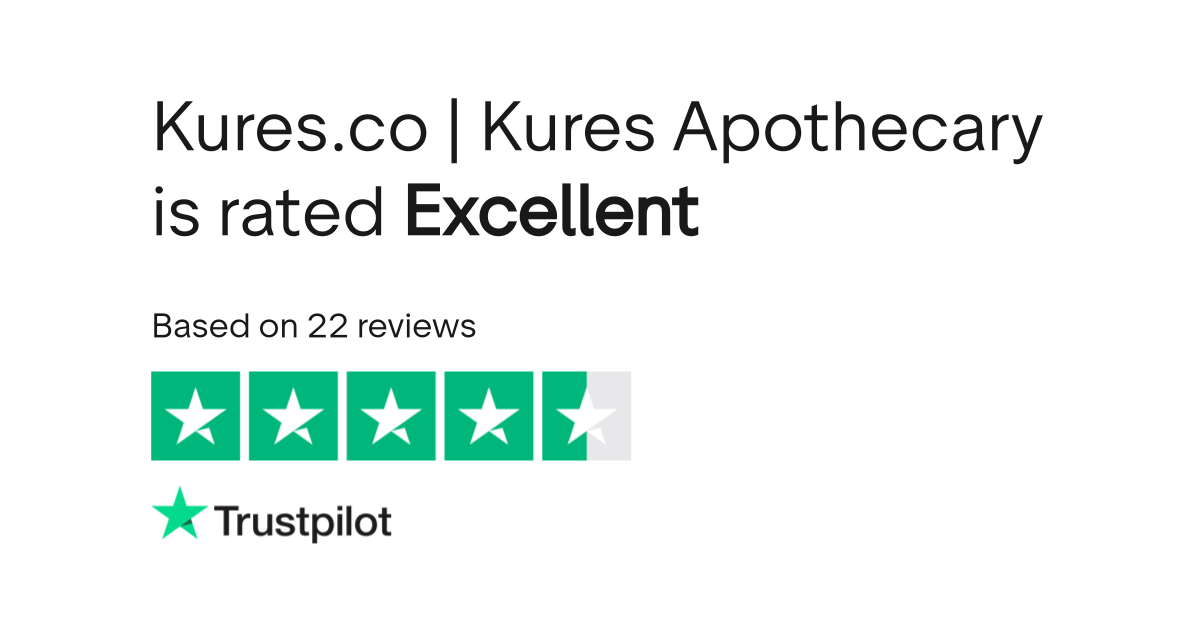
✅ Great Customer Service – With a 4.6-star rating on Trustpilot, Kures.com puts customers first. Their team is always ready to help you find the best Kratom products. Need assistance? Email [email protected] anytime.
✅ Fair Pricing – No fake sales, hidden fees, or overpriced items. Just competitive prices you can trust.
✅ Fast & Free Shipping – Orders ship within 24 hours, and same-day free shipping ensures you get your products quickly.
✅ Secure Shopping – Your personal and payment details are protected with advanced encryption technology for a safe shopping experience.
✅ Wide Variety of Strains – Kures.com offers 30+ Kratom brands and 20 trusted 7-OH brands in powders, capsules, and extracts. Whether you need energy, relaxation, or relief, there’s something for you.
If you’re tired of overpriced stores and misleading sales, Kures.com is your solution. With high-quality products, fair pricing, and outstanding service, you can shop with confidence. Try Kures.com today for a stress-free shopping experience!
Summary
- Local stores use sneaky tricks like fake discounts, hidden fees, and misleading weights to overcharge you.
- Expensive doesn’t always mean better—some products are overpriced for no reason.
- Always double-check receipts, compare prices, and be aware of loyalty program traps.
Conclusion
Now that we’ve exposed some of the shop’s dirty secrets, it’s time to take control of your spending. You and I don’t have to fall for these tricks anymore. By staying aware, comparing prices, and questioning discounts, we can protect ourselves from being overcharged.
Next time you shop, remember—stores are designed to make money, but you have the power to spend wisely. Stay smart, shop smart, and don’t let these local stores fool you again!
Reference
The Truth About Lead Resellers: What You’re Really Paying For?10 Outrageous Markups You’d Never Guess You Were Paying10 Tricks Stores Use To Get You To Spend More5 Psychological Tricks Companies Use To Make You Spend MoreThe Sneaky Pricing Tricks That Make You Spend More Money

Before You Submit Your Comment
- Share your serving amount (X mg) and how many times per day.
- Explain why the 1 mg threshold would negatively affect you.
Continue to Comment Form